
Workshop Entitled: “Performance Indicators and Benchmarking: Measurement, Analysis, and Reporting”
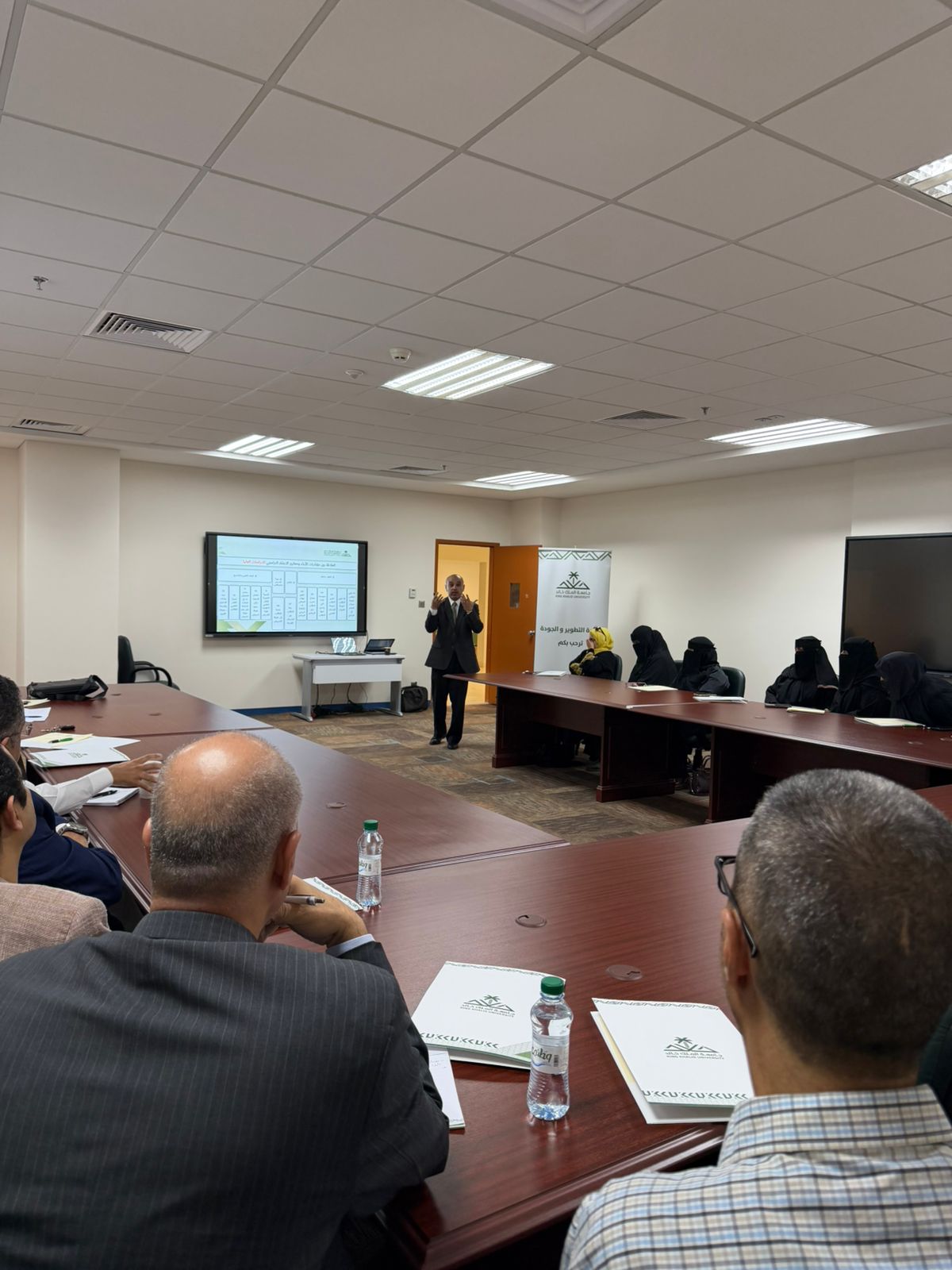
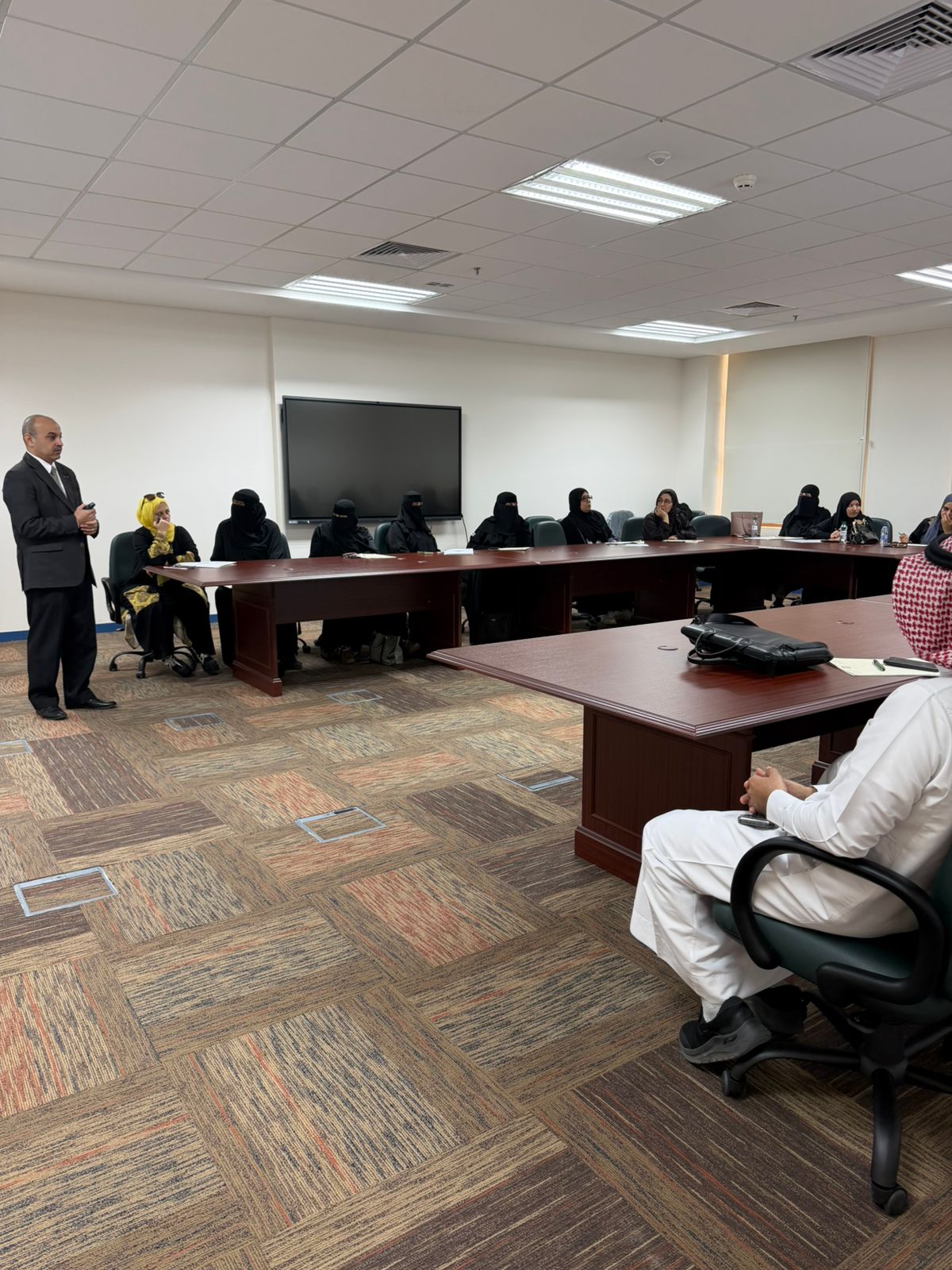
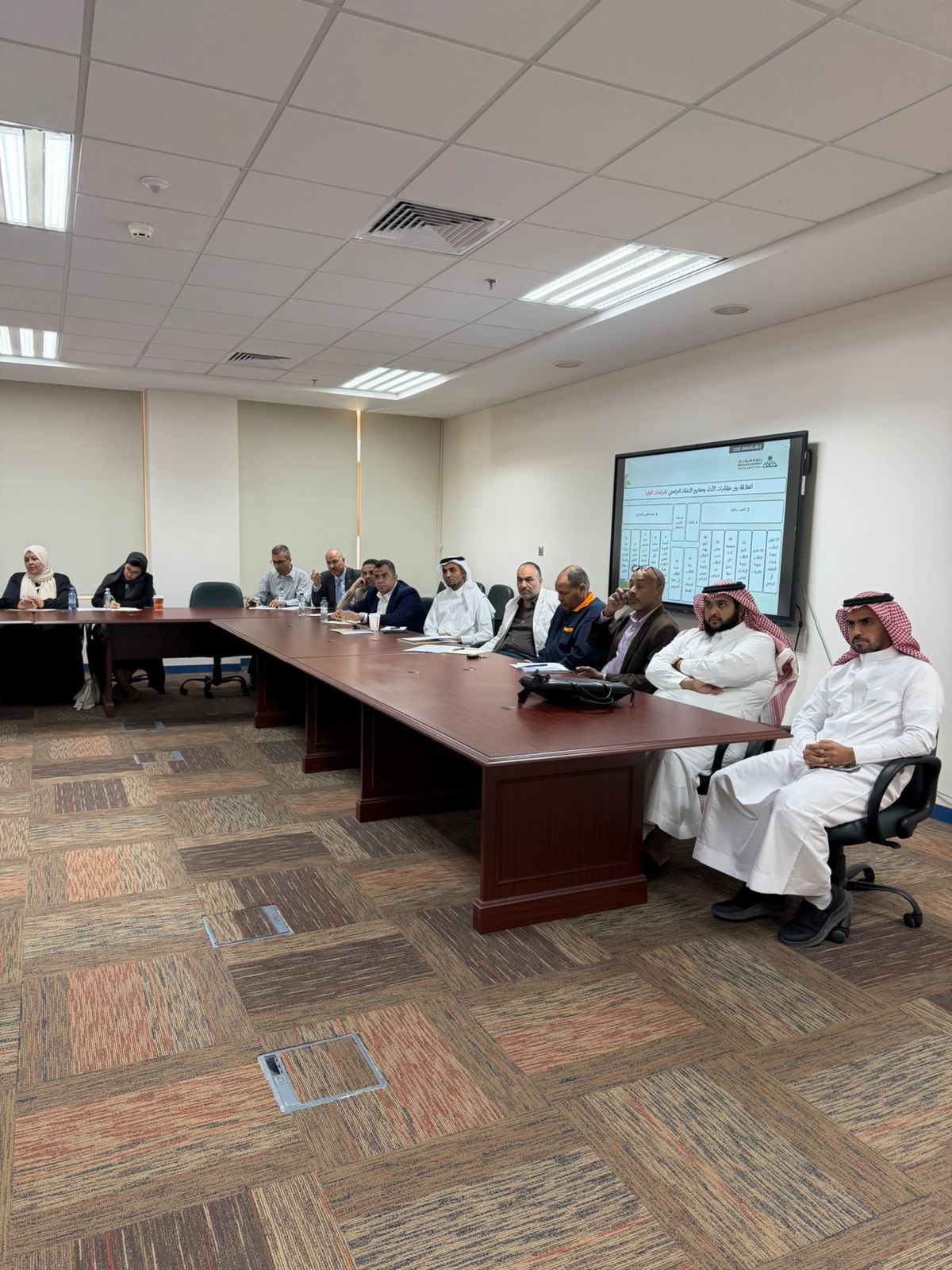
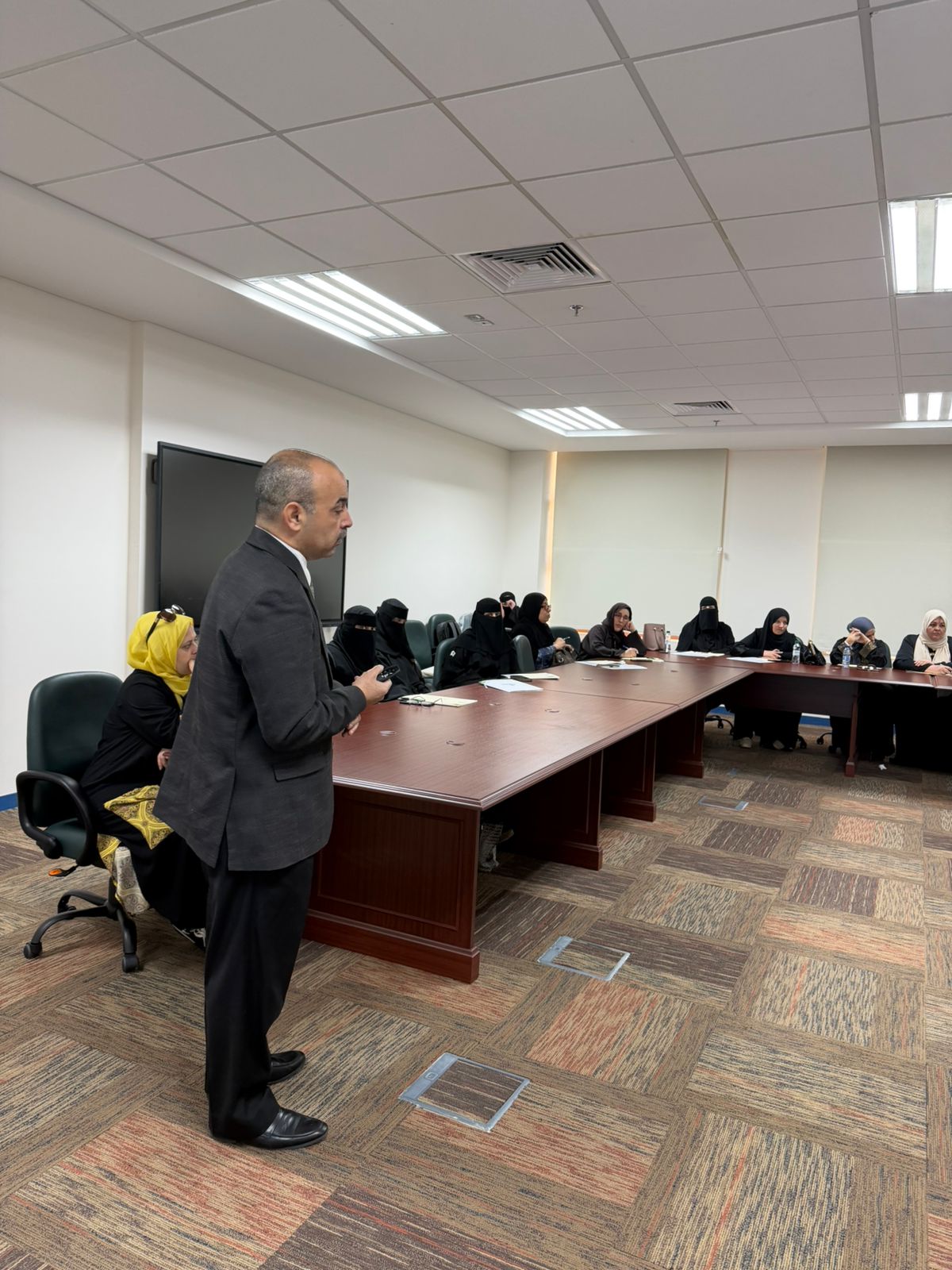
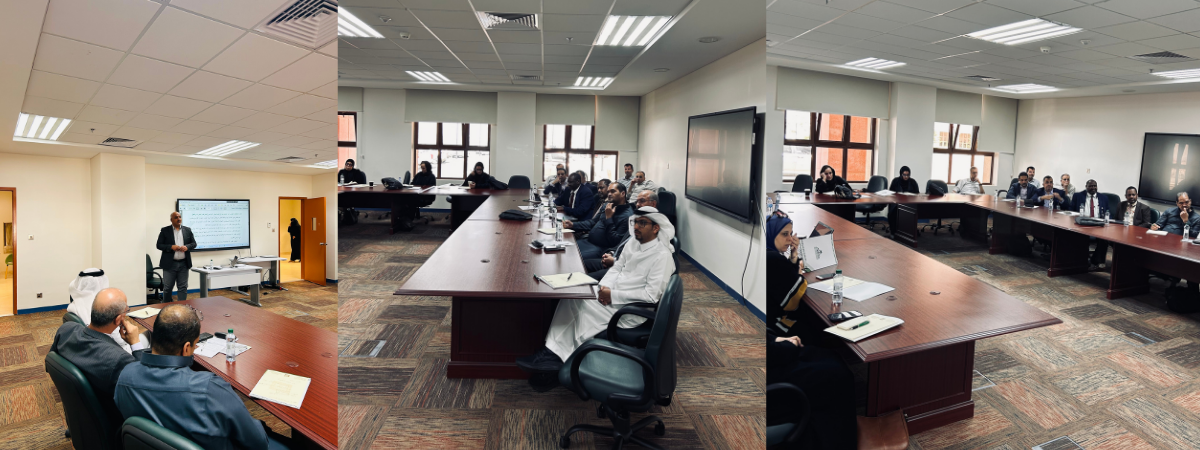
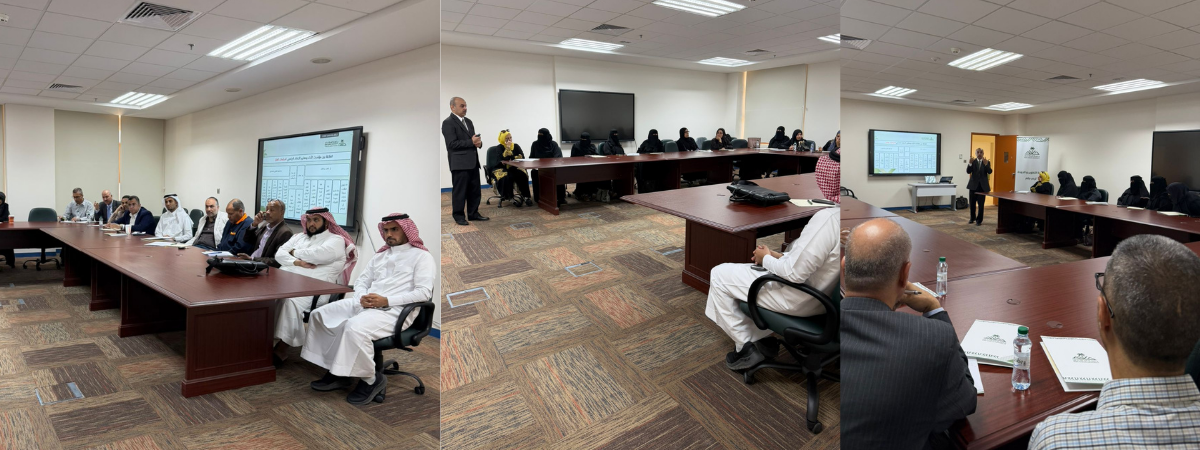
The Deanship of Development and Quality held a workshop entitled “Performance Indicators and Benchmarking: Measurement, Analysis, and Reporting” on Monday, 11/05/2026, at the Training Hall of the Deanship headquarters. The workshop was delivered by Dr. Mahmoud Ramadan Azzam, one of the Deanship’s consultants, and was attended by approximately 30 participants from the university staff.
The workshop aimed to develop participants’ skills in measuring and analyzing performance indicators and preparing related reports, including the associated procedural steps and methodologies.
The workshop addressed several key themes, most notably:
- Performance indicators: their concept and importance.
- The relationship between performance indicators and program accreditation standards.
- Measurement of performance indicators, including calculation methods and data collection techniques.
- Benchmarking: its definition, importance, types, selection criteria, and gap analysis.
- Performance indicator scorecards.
- Preparation of performance indicator reports, including analysis, interpretation, and formulation of improvement recommendations.
The workshop also included practical activities and interactive discussions focused on applied examples of measuring performance indicators, designing indicator scorecards, and preparing analytical reports. The sessions witnessed a high level of engagement and positive interaction from participants.
At the conclusion of the workshop, the presenter emphasized that performance indicators are among the fundamental requirements for academic program accreditation. He also highlighted the importance of conducting annual measurements and preparing regular reports to support continuous quality improvement and close the quality loop during the preparation of program self-study reports for accreditation purposes.
This workshop comes as part of the efforts of the Deanship of Development and Quality to support academic programs, promote a culture of quality, and empower university staff to implement best practices in quality assurance and academic accreditation.