Linking Key Performance Indicators (KPIs) for Undergraduate and Graduate Programs to the University’s Strategic Objectives in Alignment with the Standards of the National Center for Academic Accreditation and Evaluation (NCAAA)
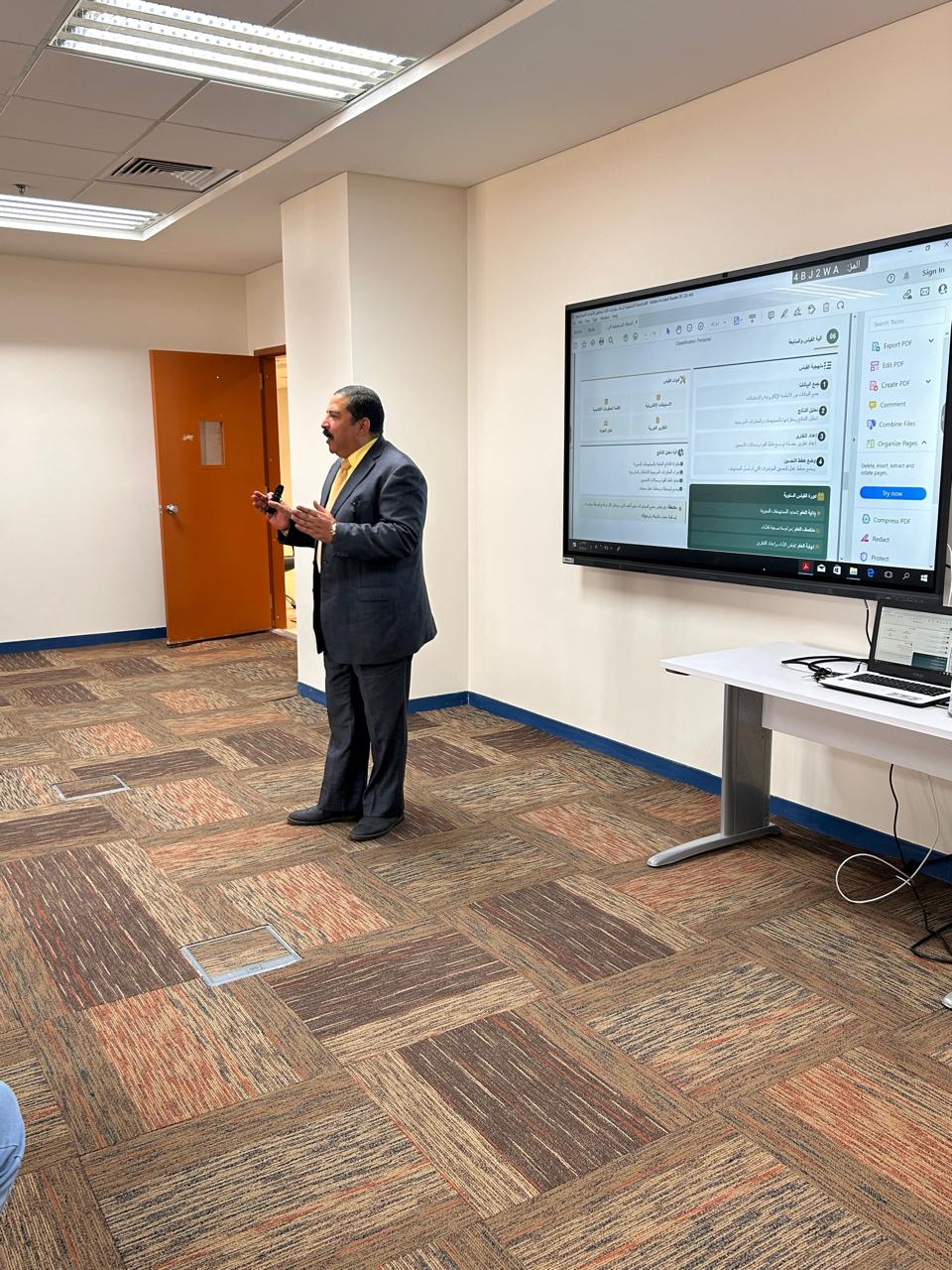
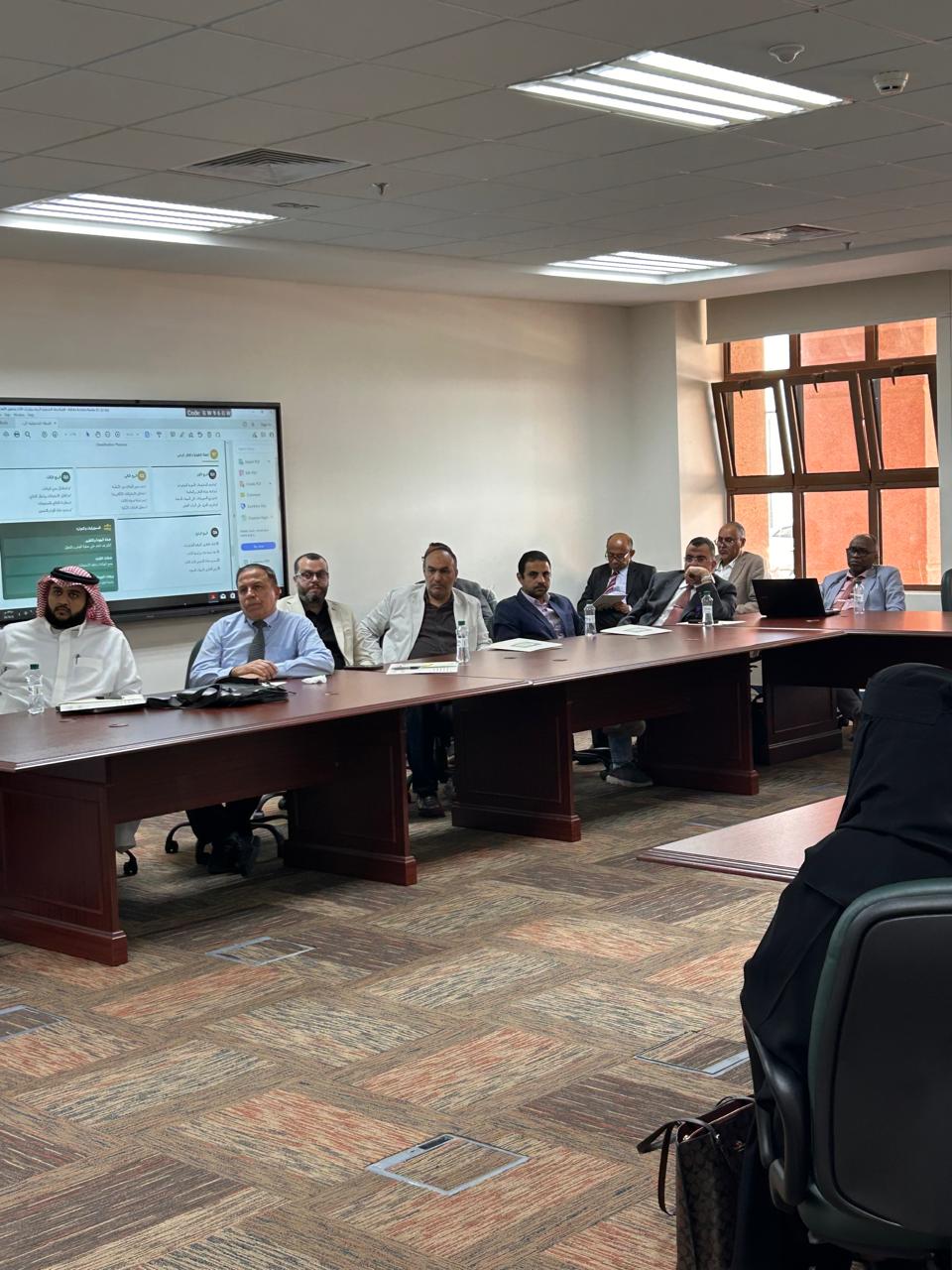
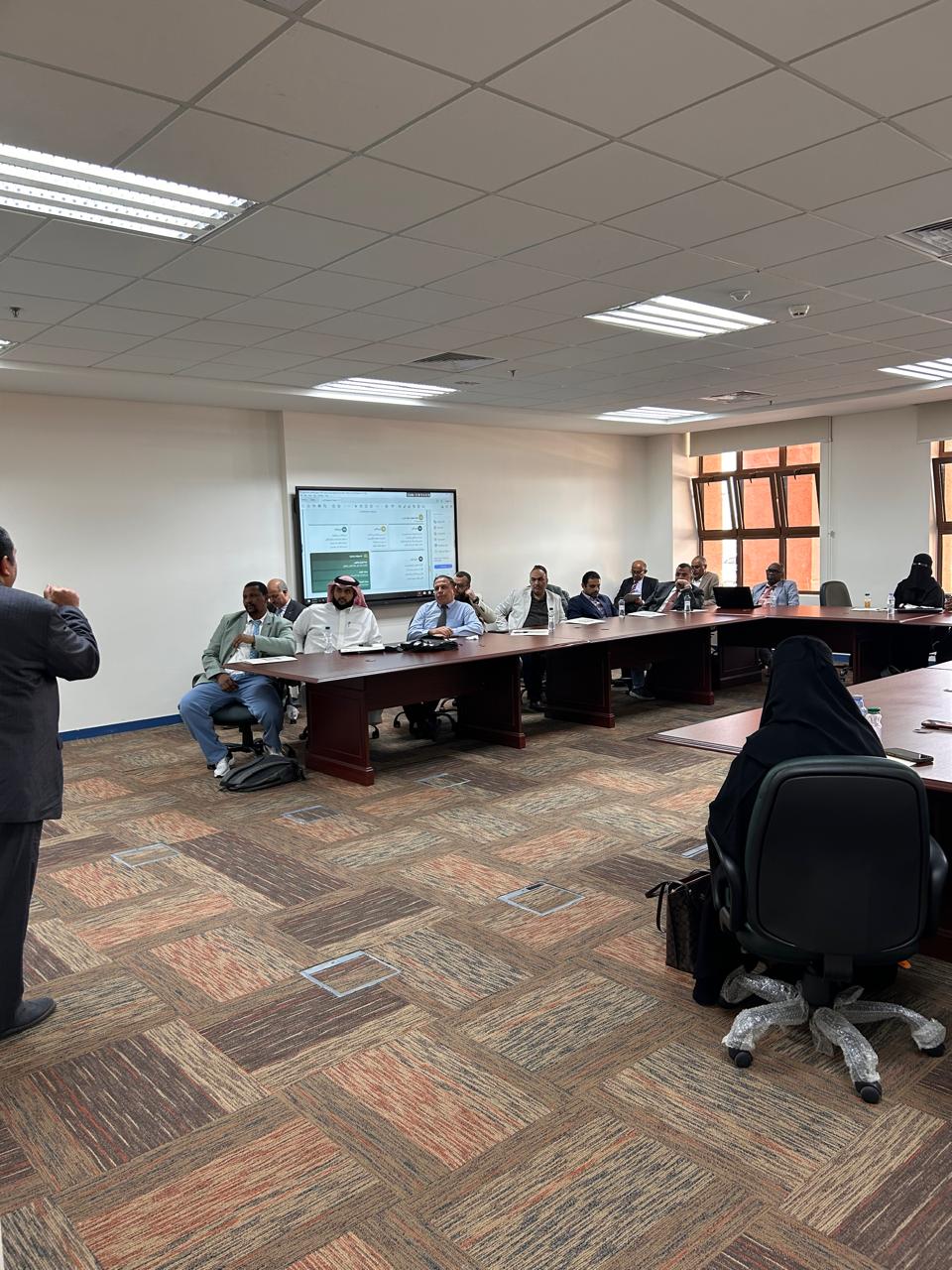
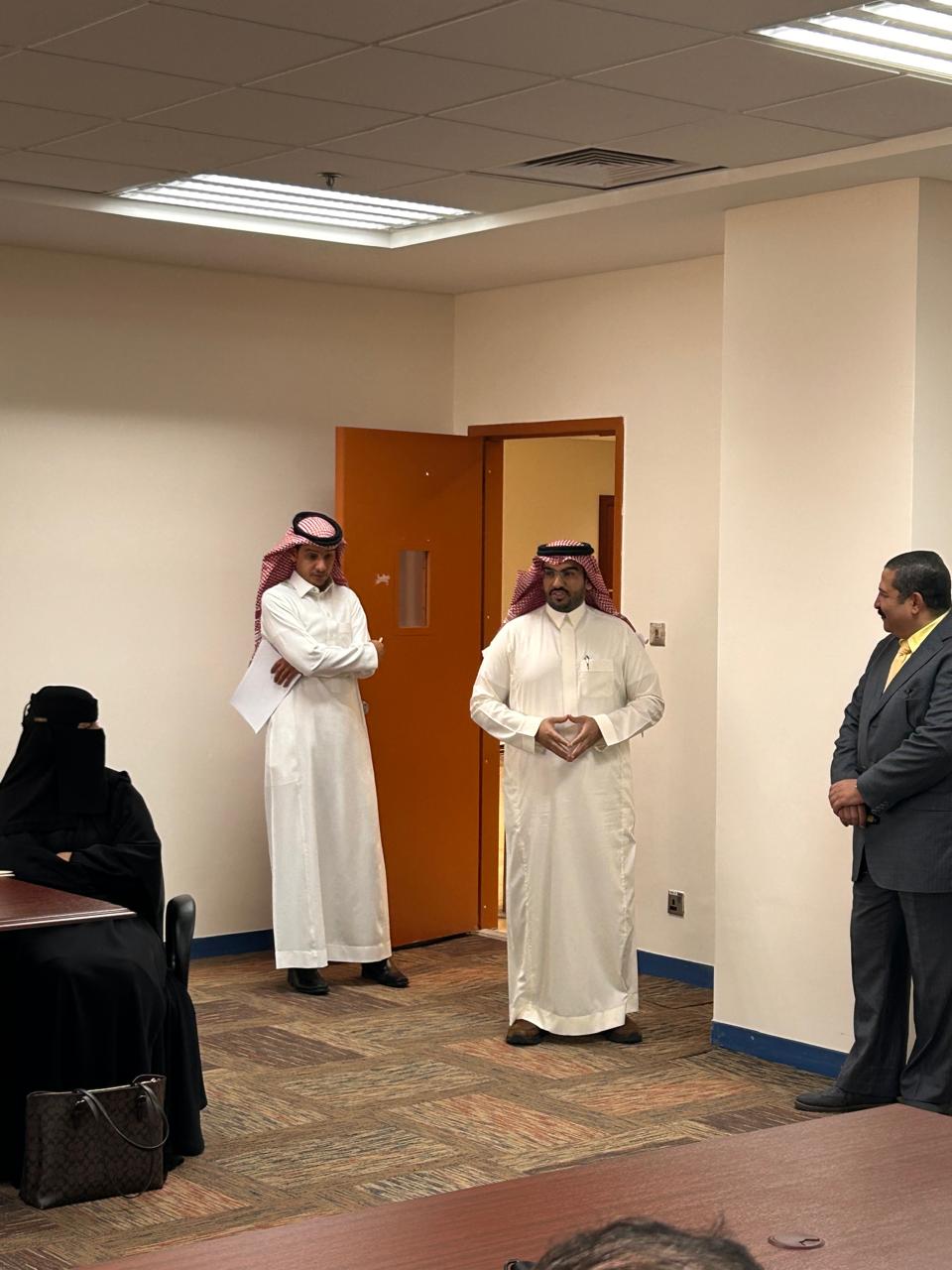
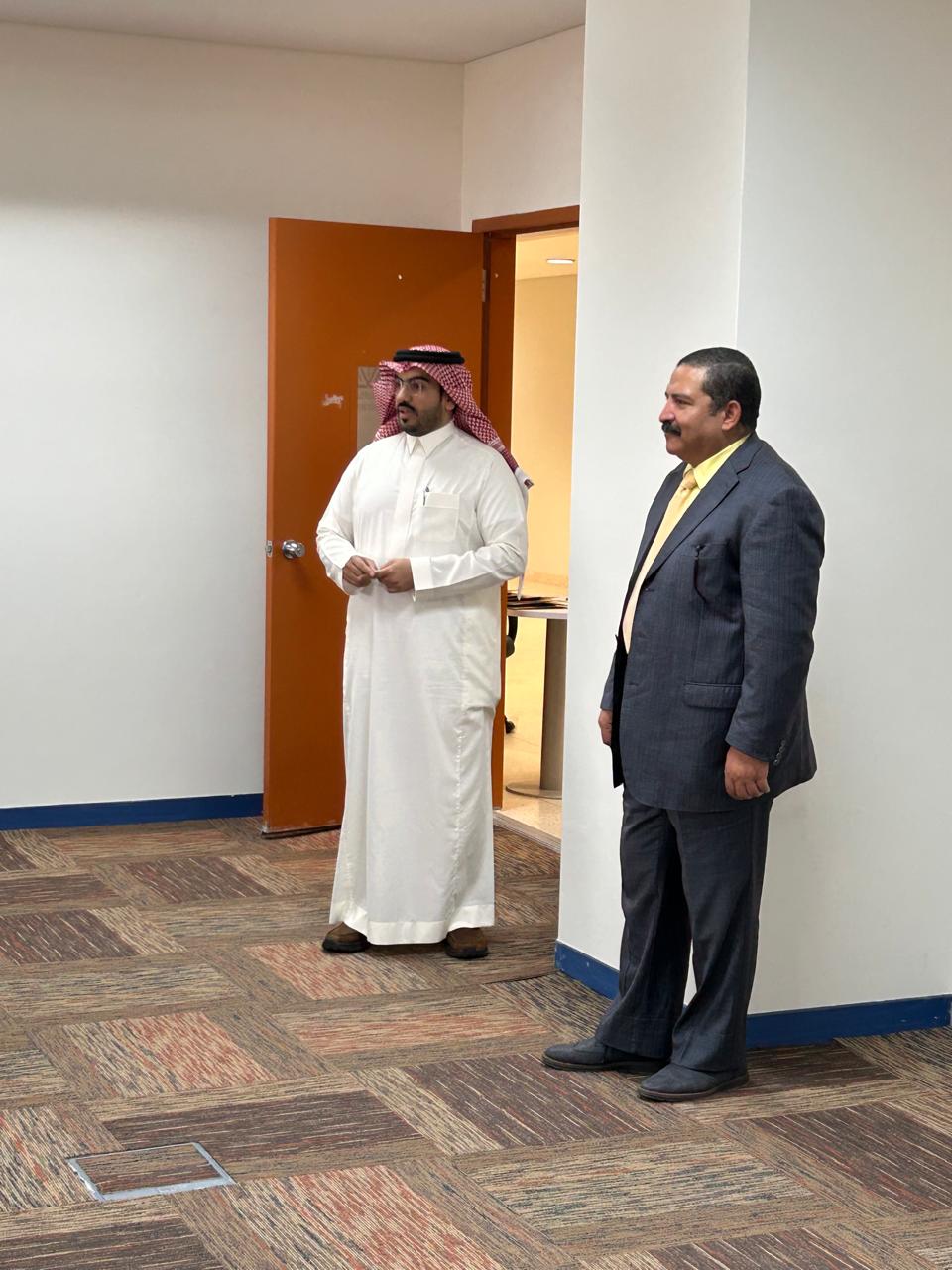
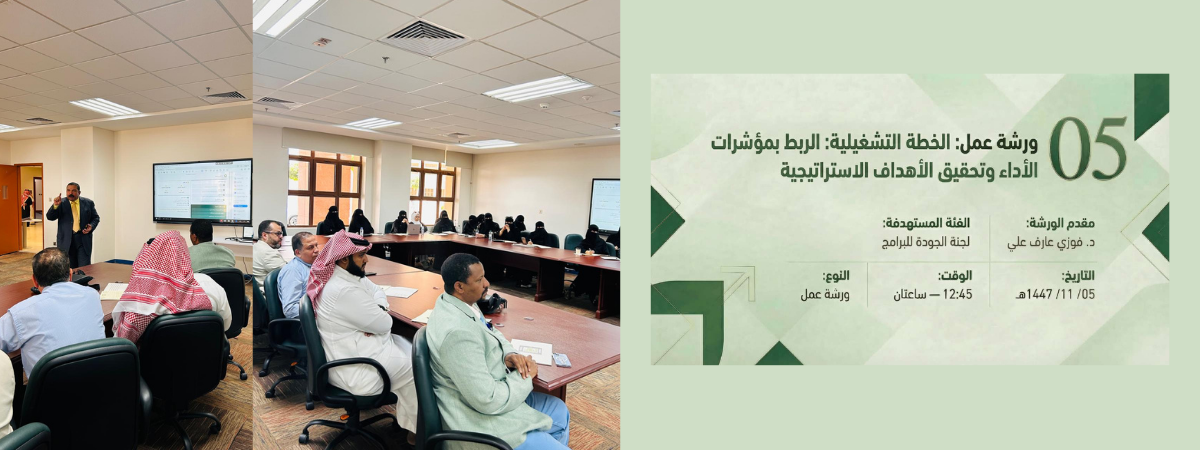
The Deanship of Development and Quality held a workshop on Wednesday, 05/11/1447H (corresponding to April 22, 2026) at the Training Hall of the Deanship’s headquarters, entitled:
“Linking Key Performance Indicators (KPIs) for Undergraduate and Graduate Programs to the University’s Strategic Objectives in Alignment with the Standards of the National Center for Academic Accreditation and Evaluation (NCAAA”
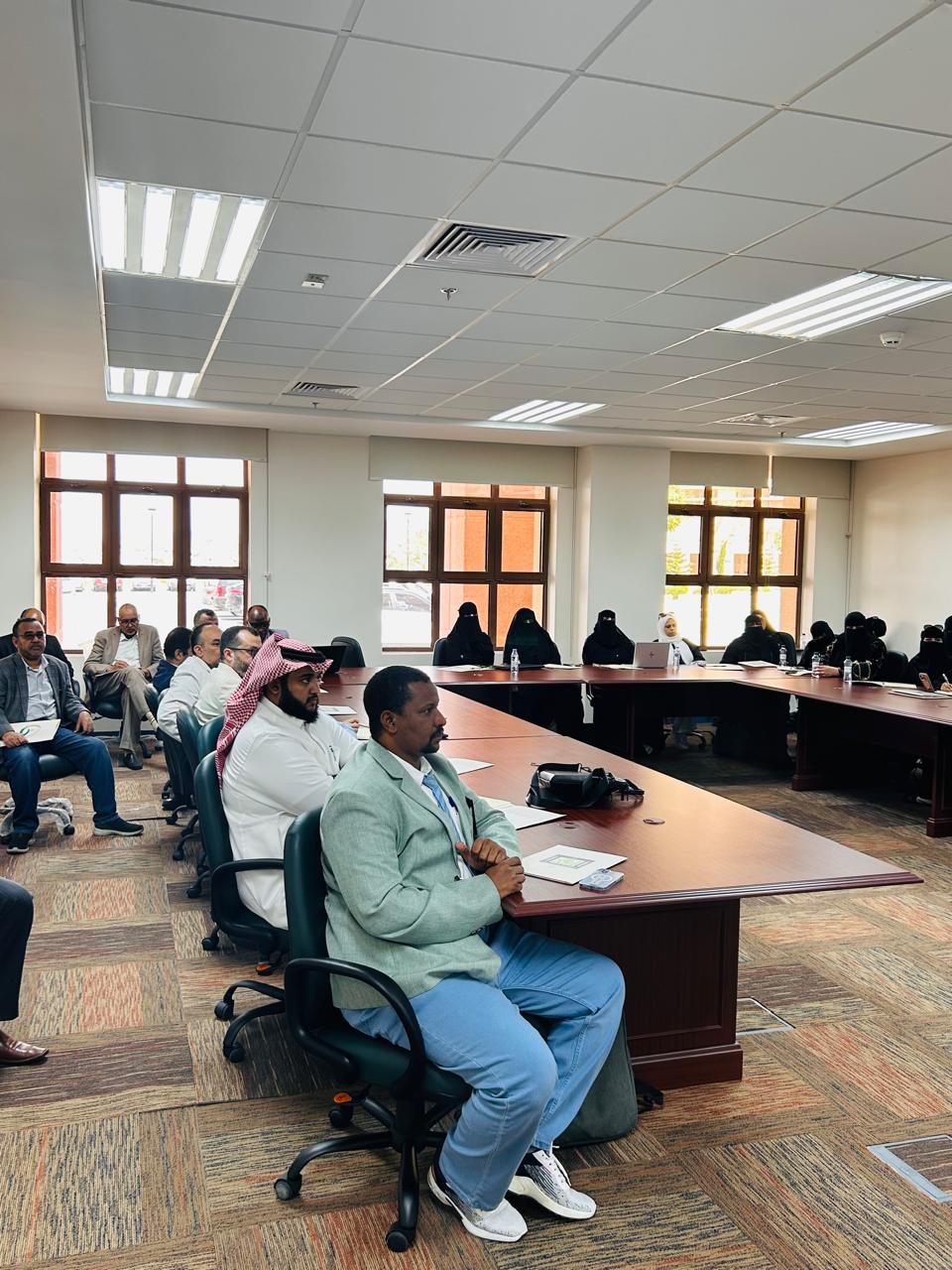
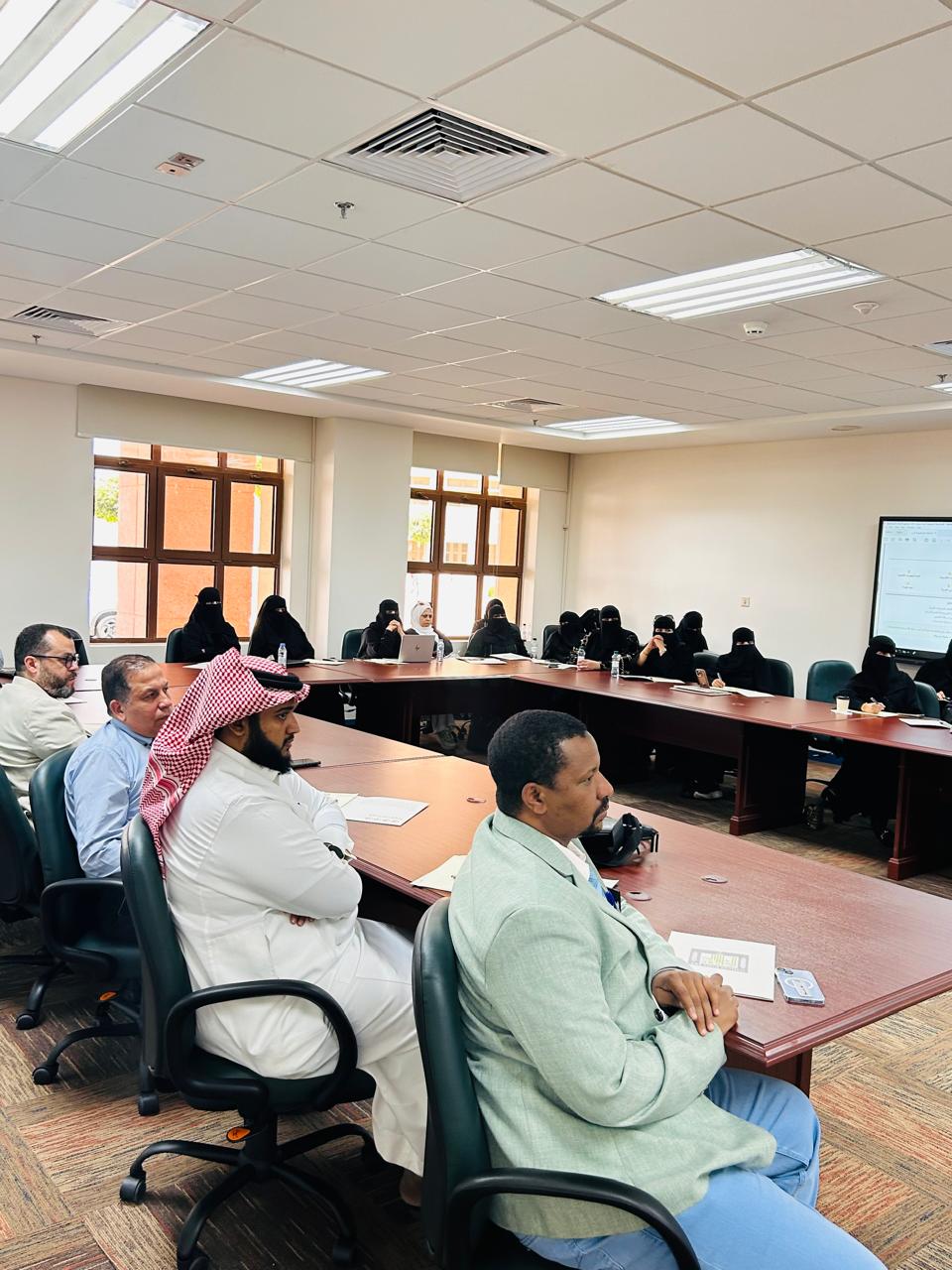
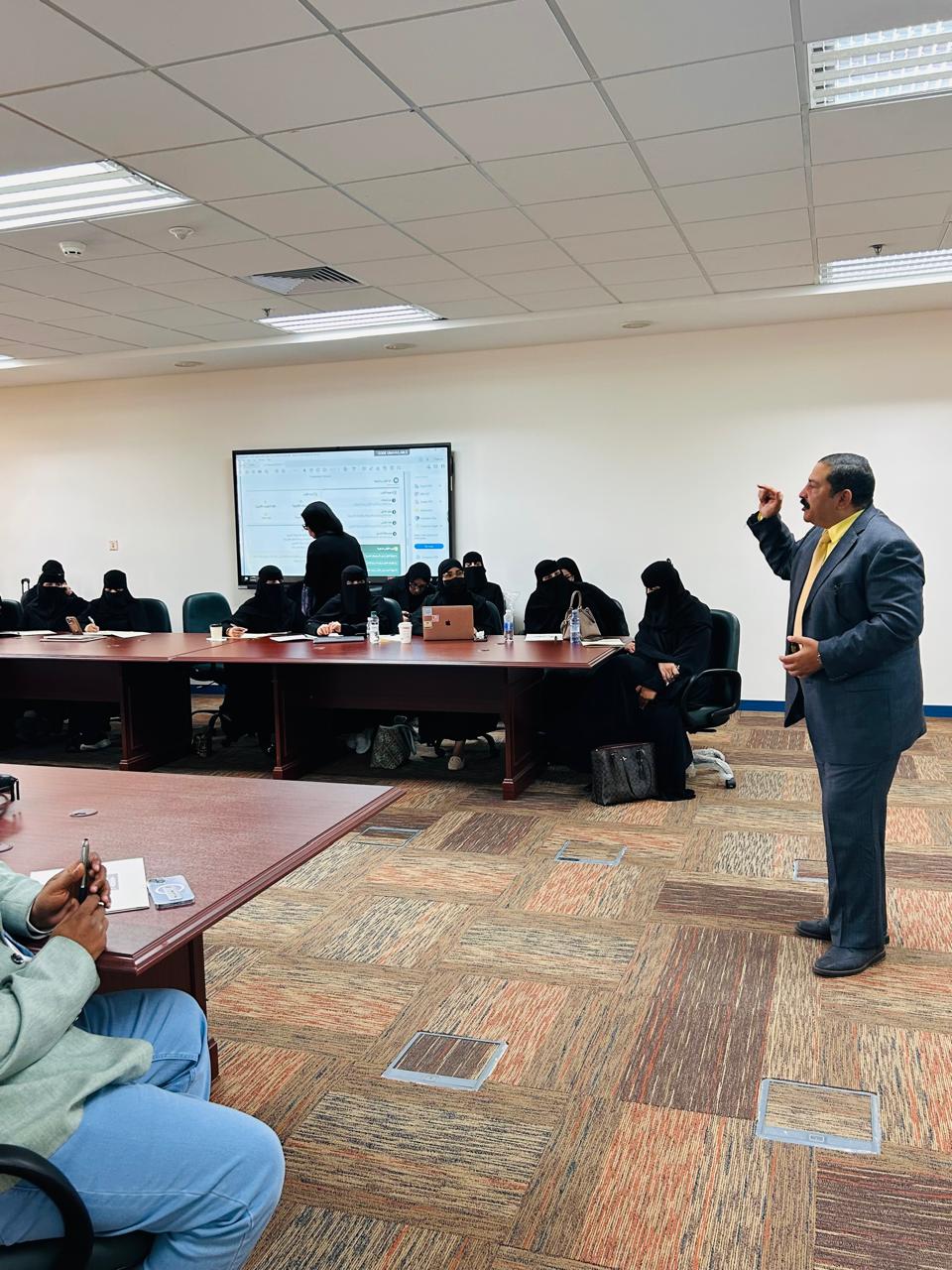
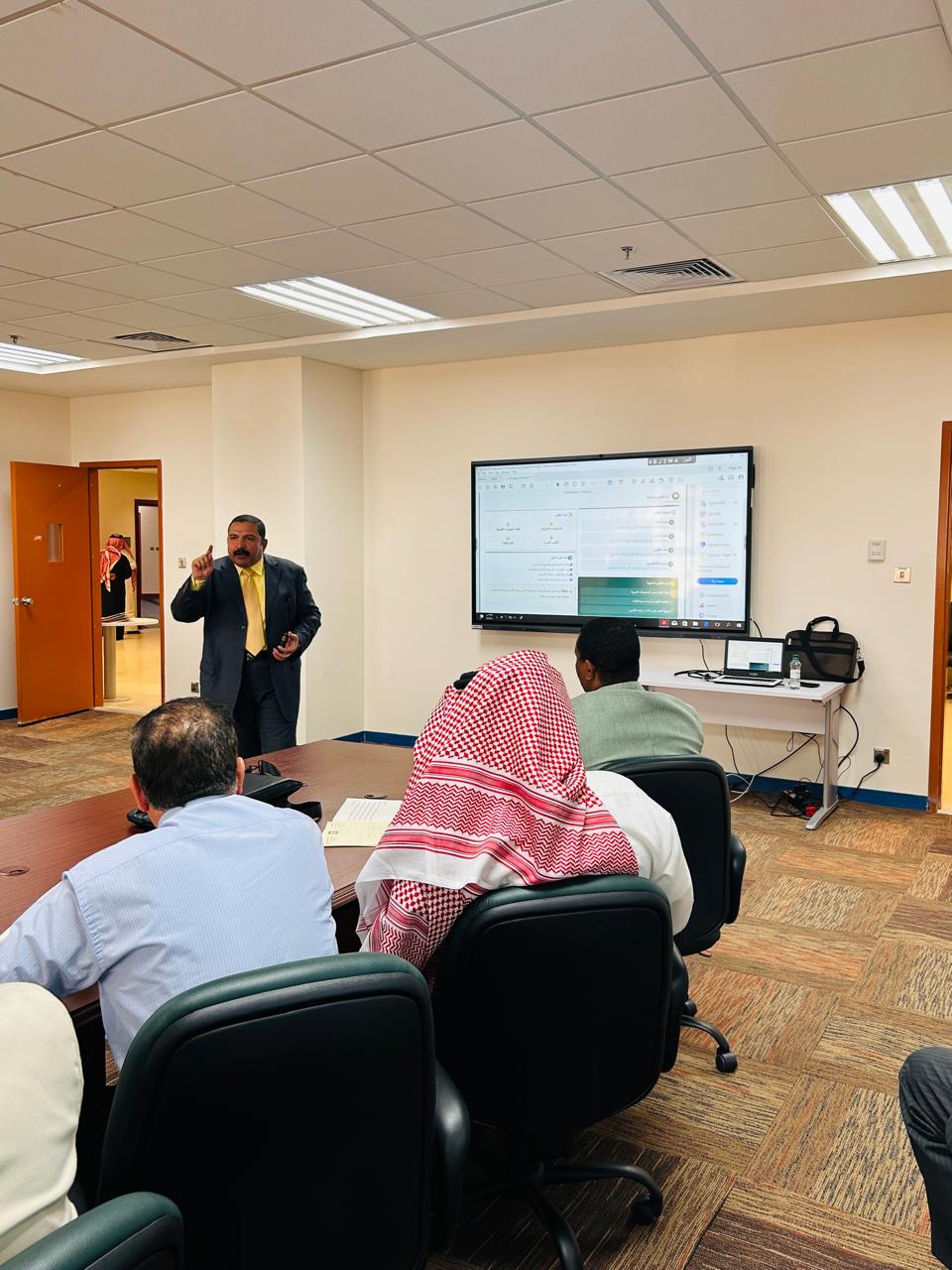
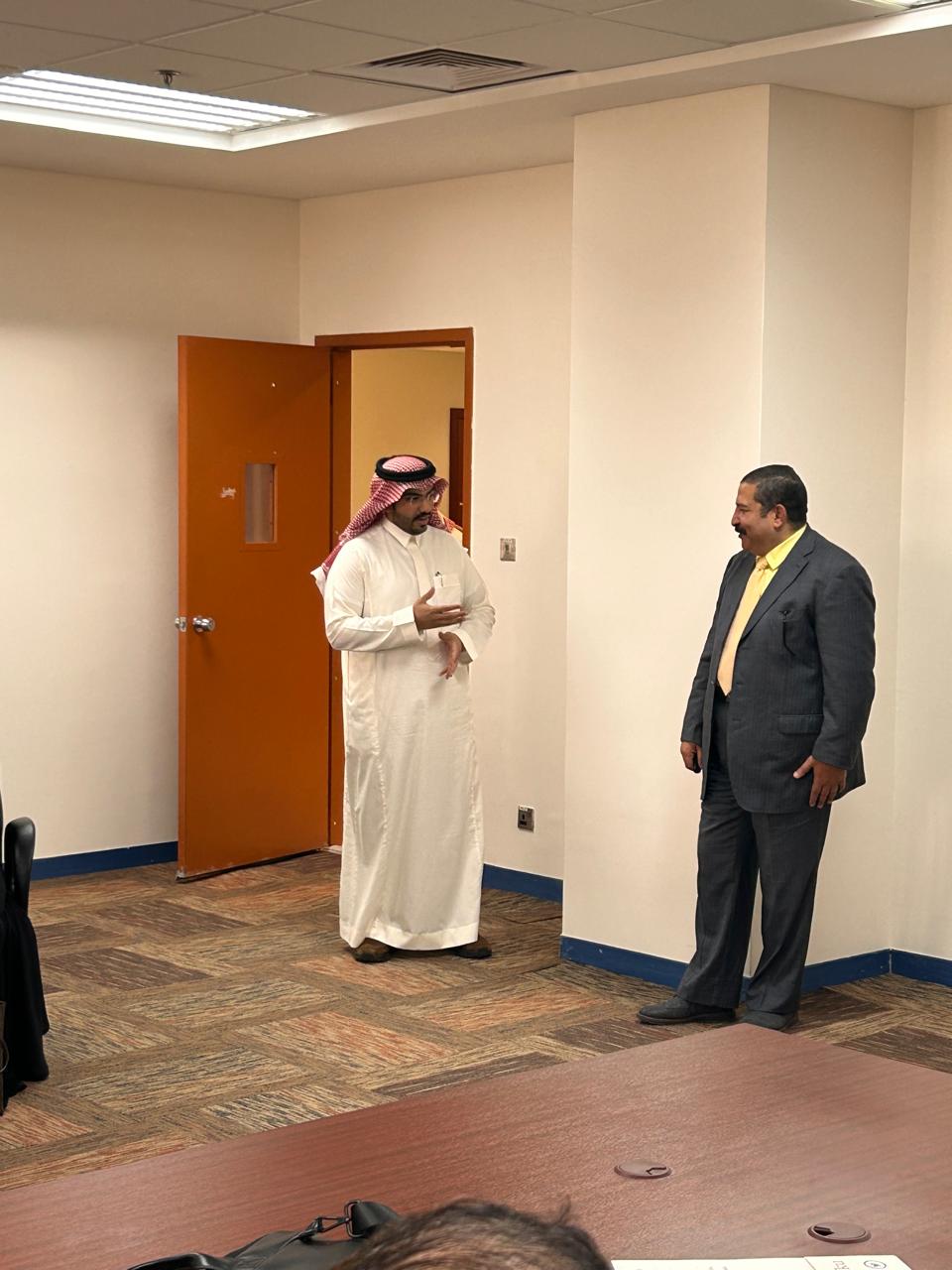
The workshop was delivered by Prof. Dr. Fawzi Aref Ibrahim Ali, Advisor to the Deanship, and was attended by approximately 55 participants from university staff.
The workshop aimed to enhance participants’ understanding of Key Performance Indicators (KPIs) for undergraduate and postgraduate programs (Master’s and PhD), clarify governance concepts, and define roles and responsibilities within academic programs. It also addressed practical implementation mechanisms, KPI analysis and measurement methods, and their alignment with strategic objectives, in addition to developing effective improvement plans that support academic accreditation and foster a culture of continuous improvement.
The workshop covered several key themes, including:
The concept of KPIs for different programs within the department.
- Classification of performance indicators.
- Overview of the university’s six strategic objectives.
- Detailed discussion of KPIs for undergraduate programs.
-Detailed discussion of KPIs for postgraduate programs.
- Linking KPIs with program strategic objectives.
-Measurement and monitoring mechanisms.
The workshop also included practical activities and interactive discussions based on real-life cases, such as analyzing student satisfaction results regarding courses, content, and teaching methods, assessing learning outcomes, and addressing low academic performance indicators. These activities emphasized data-driven decision-making.
At the conclusion of the workshop, the presenter emphasized that quality is a shared responsibility, and that clear roles and effective governance are fundamental to achieving sustained and continuous improvement. He also noted that academic accreditation is a natural outcome of a comprehensive and effective quality system.
This workshop comes as part of the Deanship of Development and Quality’s ongoing efforts to support academic programs, promote a culture of quality, and empower university staff to implement best practices in quality assurance and accreditation.